
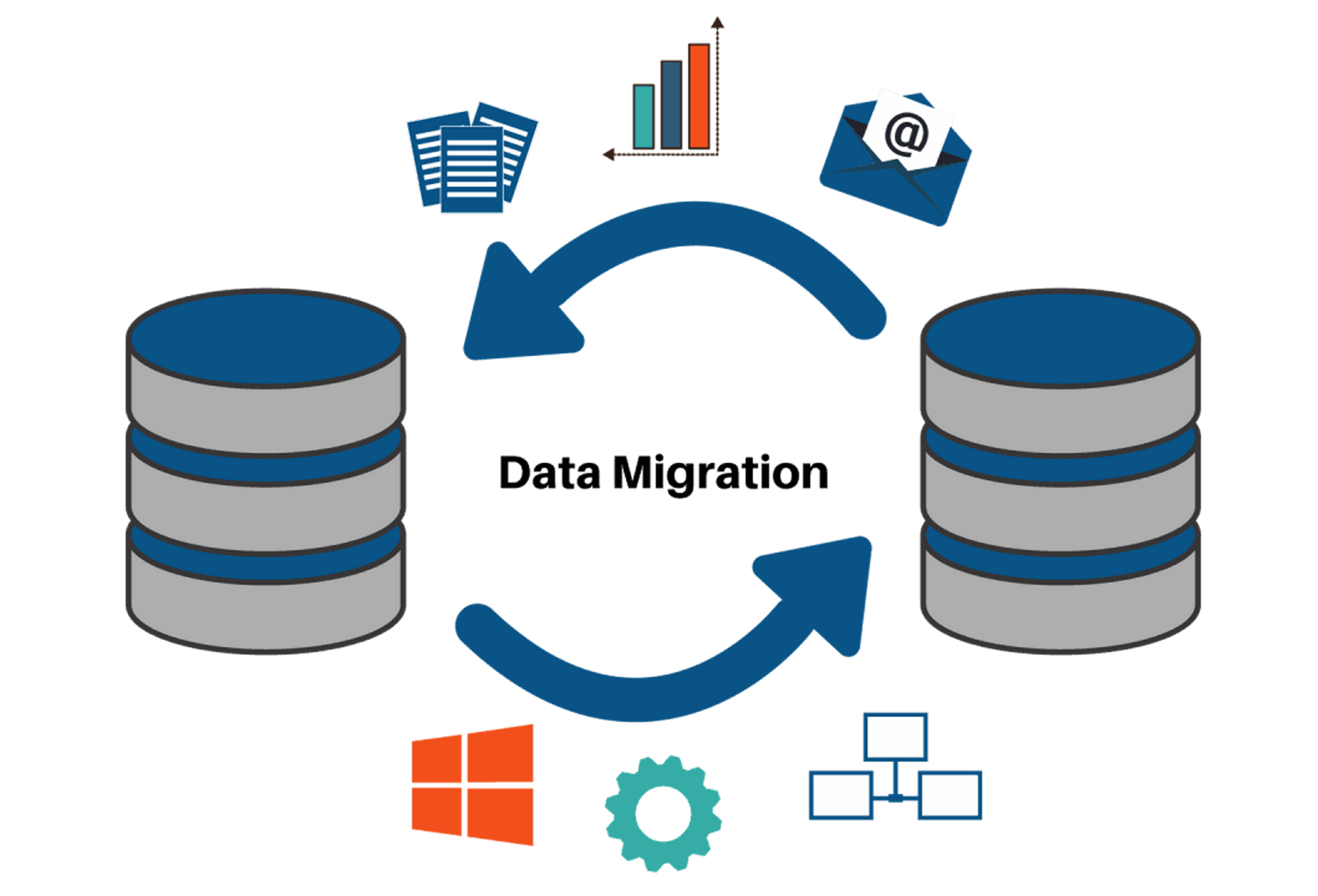
Legacy data often sits untouched within organisations, treated as outdated or irrelevant. However, this treasure trove of historical information holds immense potential when utilised effectively. By transforming this data into actionable insights, businesses can enhance strategies, refine processes, and ultimately drive a higher return on investment (ROI).
What is Legacy Data, and Why Does It Matter?
Maximize ROI on legacy data refers to historical information that organisations have accumulated over time. This can include customer purchase records, product performance metrics, website traffic logs, or prior marketing campaign results. While it may appear static at first glance, this data offers a reflection of past behaviours, preferences, and trends.
With the advancement of analytics tools, legacy data can now be harmonised with modern systems to uncover valuable insights. Whether it’s through segmenting customer profiles or identifying inefficiencies in product offerings, businesses that leverage this resource are better positioned to make data-driven decisions.
Examples of Leveraging Legacy Data
Effective use of legacy data spans various applications. For instance, customer purchase histories can be analysed to develop personalised campaigns or recommend products. This level of specificity resonates more with consumers, resulting in improved engagement and higher conversion rates. Similarly, product performance data can highlight trends in best-selling or underperforming items, guiding decisions in product development or retirement.
On the digital front, website traffic logs offer a glimpse into user navigation and preferences. By studying this data, companies can redesign their sites to deliver a more seamless user experience, boosting retention and driving sales. Likewise, examining marketing campaign results enables a business to refine its messaging and targeting for future efforts.
When harnessed properly, each dataset becomes a critical tool for refining operations and increasing profitability.
Practical Steps to Maximise ROI with Legacy Data
While the opportunities are vast, extracting value from legacy data requires a structured approach. The first step is ensuring data accuracy through cleansing and standardisation. Erroneous or inconsistent data can lead to faulty insights, so it is crucial to establish reliability.
Integrating legacy data with modern platforms forms the next phase. Advanced analytics software allows organisations to merge past and present datasets for a broader perspective. This combination yields insights that might not be visible in isolated systems. Once integrated, predictive modelling comes into play. By identifying patterns in historical data, forecasting future trends becomes achievable, enabling better planning and operational alignment.
Segmentation is another key aspect. Historical customer behaviour can be analysed to divide audiences into groups that share similar traits. This facilitates personalised outreach strategies, which not only engage audiences more effectively but also cut down marketing inefficiencies. Finally, businesses must adopt a continuous evaluation approach. By consistently monitoring performance and reassessing strategies, organisations can adjust to changing market conditions and maintain a competitive edge.
The Business Case for Legacy Data Reuse
The significance of legacy data extends beyond enhancing operational decisions. It also reduces reliance on costly third-party datasets and accelerates data-driven strategies. Through actionable insights derived from existing records, businesses can optimise their resource utilisation and achieve substantial cost-savings.
For example, a company analysing its historical campaign data may identify underutilised marketing channels that delivered significant ROI in the past. This allows them to redirect budgets strategically, avoiding unnecessary expenses. Meanwhile, predictive models built on legacy data provide a groundwork for more confident decision-making, minimising risks associated with resource allocation or product launches.
Turning Historical Information into Future Gains
Legacy data is not just a store of historical facts; it is a pathway to innovation when handled correctly. By adopting proven techniques such as data standardisation, integration, and predictive modelling, enterprises can unlock their full potential. With this deliberate focus, legacy data transforms from a maintenance burden into a critical driver of ROI within the organisation.
Businesses prepared to revisit and reimagine their historical data are not merely reworking their archives; they are building a stronger, more informed foundation for future growth.