

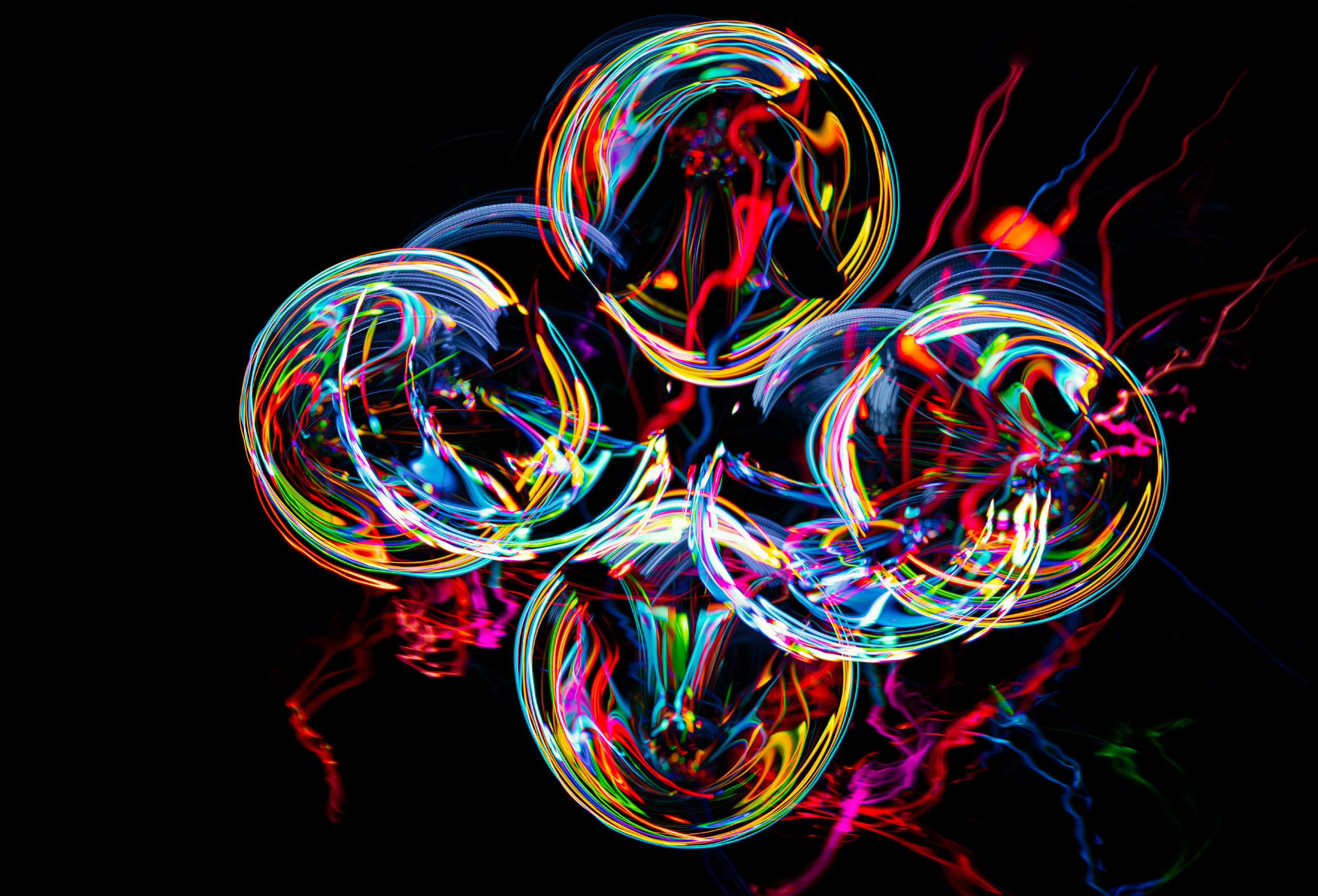
Static images rarely hold the same power they once did. In a landscape saturated with constant information, capturing attention requires more than a well-placed logo or a striking photograph. Motion design studio bridges the gap between static graphic design and full-scale video production, offering a dynamic way to communicate ideas. It transforms standard graphics into immersive narratives, guiding the viewer’s eye and controlling the pacing of information.
This transition from stillness to movement is fundamental for modern digital platforms. Websites, social media feeds, and digital billboards are no longer passive spaces; they are active environments where movement signifies life and relevance. By integrating animation, brands can tell a story that unfolds in real-time, keeping the audience engaged longer than a static image ever could. This is not about adding movement for the sake of it, but about using motion to clarify meaning and evoke emotion.
The Strategic Impact of Animation on Business Growth
High-quality animation serves as a practical tool for business growth, primarily by improving user engagement rates. When a potential customer visits a website or views an ad, their time is limited. Motion design helps to quickly convey complex messages that might otherwise require paragraphs of text. A fluid animation can demonstrate how a product works, highlight key features, or explain a service in seconds. This efficiency respects the user’s time while ensuring the core message is understood.
Furthermore, fluid movement aids in retention. The human brain is wired to notice and track motion. By leveraging this biological response, brands can direct focus to specific calls to action or crucial data points. This strategic application of motion design leads to higher conversion rates, as users are guided intuitively through the customer journey. It simplifies the user experience, making interactions feel seamless and logical rather than disjointed or confusing.
Collaboration with a Motion Studio for Optimal Results
Partnering with a professional motion studio streamlines the production of high-end video content. The process typically begins with a discovery phase, where the studio works to understand the brand’s goals, audience, and core message. This initial alignment is critical to ensure the final output resonates with the intended viewers. Following this, the team moves into storyboarding, where the narrative is mapped out visually before any animation begins. This stage allows for adjustments to the flow and pacing without the cost of re-animating scenes later.
Once the storyboard is approved, the design and animation phases commence. Professional designers bring technical expertise that goes beyond software knowledge; they understand the principles of animation—timing, weight, and anticipation—that make movement feel natural and appealing. The workflow is iterative, involving regular feedback loops to refine the visuals. This structured approach ensures that the final render is polished and aligned with the brand’s identity, delivering a professional asset ready for distribution across various channels.
Future Trends in Dynamic Visual Media
The industry is shifting towards more integrated and interactive experiences. As technology advances, we are seeing a move towards real-time rendering and personalised motion graphics. These developments allow for content that adapts to the viewer’s context, such as the time of day or their location, creating a more relevant experience. Additionally, the rise of augmented reality (AR) and virtual reality (VR) is pushing motion design into three-dimensional spaces, requiring designers to think spatially rather than just on a flat screen.
Aesthetic trends are also evolving, with a growing preference for “liquid motion” and organic shapes that mimic natural physics. This departure from rigid, geometric corporate styles reflects a desire for more human-centric design. Staying ahead in a competitive market means adopting these emerging techniques early. Companies that embrace these shifts will find themselves better equipped to communicate with audiences who increasingly expect dynamic, high-quality visual content as the standard, not the exception.