

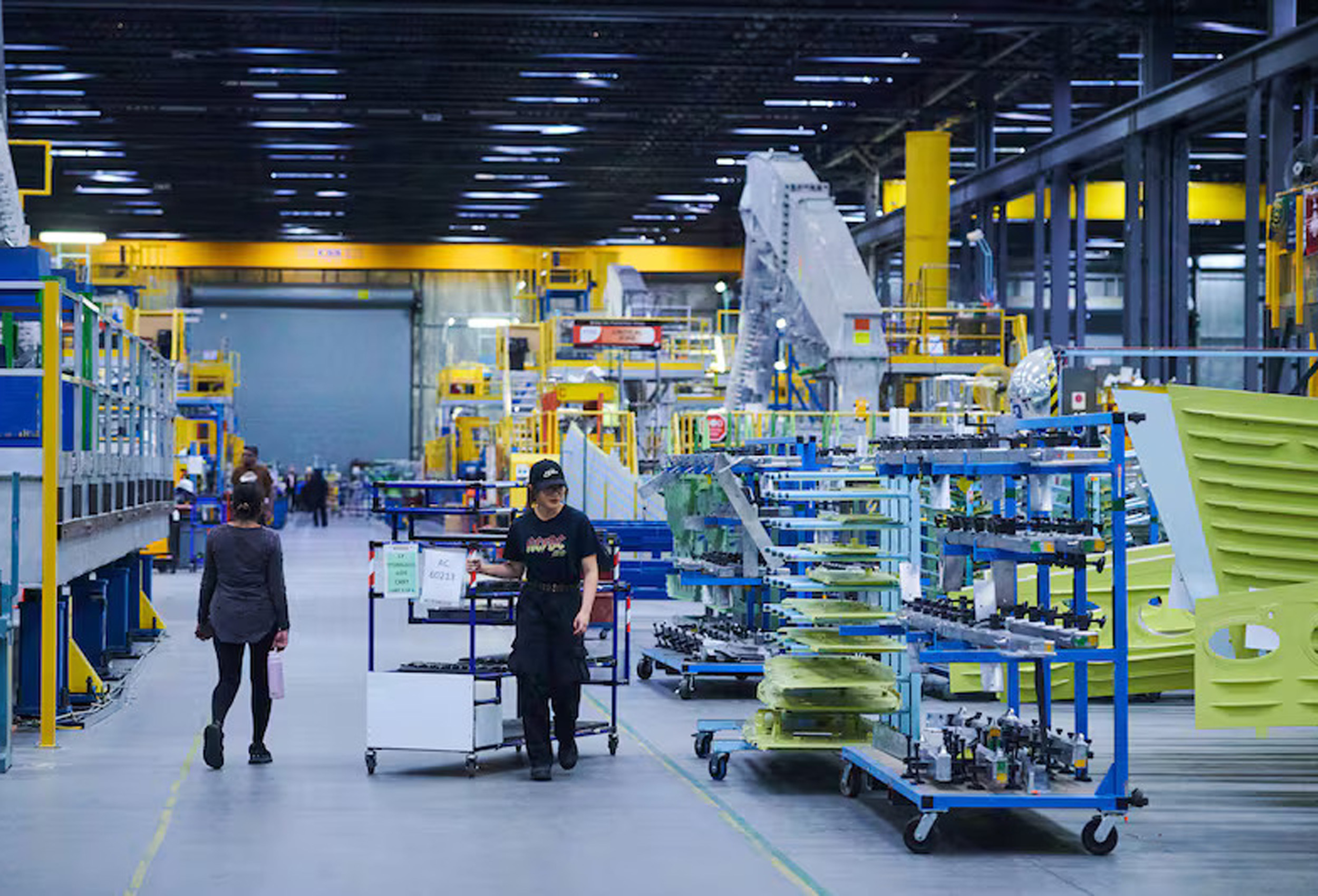
The manufacturing sector has historically been defined by physical endurance. For decades, the image of the factory floor involved heavy lifting, long hours of standing, and manual dexterity. This perception naturally created significant barriers for people with disabilities, effectively excluding a vast pool of talent from the industry. However, the industrial landscape is undergoing a profound shift. As digital transformation takes hold, the focus is moving from physical capability to cognitive skill, opening doors that were previously firmly shut.
For business owners and operations managers, this evolution offers a solution to the chronic labour shortages plaguing the sector. By integrating accessible technologies and rethinking workspace design, manufacturing firms can access a dedicated and skilled workforce that has been overlooked for too long. This is not just about meeting compliance standards; it is about building a more resilient and innovative business model. A disabled manufacturing company is more than just a business — it’s a mission-driven organisation that combines high-quality manufacturing with inclusive employment practices.
The Changing Landscape for Inclusive Manufacturing
Manufacturing firms led by or supporting people with disabilities are no longer outliers—they’re efficiency case studies. Modern production facilities now focus more on process management than manual labor, allowing companies to rethink roles. Where jobs once required lifting 20kg, they may now involve programming a robotic arm to lift 200kg.
This shift is timely, as the industry faces a growing skills gap. Sticking to traditional hiring criteria limits the talent pool, but forward-thinking leaders see disability inclusion as a growth strategy. Employees with disabilities often bring unique problem-solving skills and adaptability—traits invaluable in fast-paced production environments.
Overcoming Physical Barriers with Innovation
Industrial settings often present hurdles like narrow walkways, fixed assembly lines, and safety protocols designed only for able-bodied individuals, which can exclude many workers. However, modern technology offers practical solutions to these physical challenges. The Industrial Internet of Things (IIoT), for instance, allows many machines to be operated remotely or through accessible interfaces, reducing the need for direct physical interaction.
For workers with sensory impairments, haptic feedback and visual indicators can supplement or replace auditory alarms. Digital work instructions projected onto a workspace can also help neurodivergent employees by breaking down tasks into clear, manageable steps. These innovations don’t just benefit workers with disabilities; they enhance safety and clarity for everyone. By minimising physical strain, you create an environment where the focus can shift from a worker’s physical capacity to the quality of their work.
Assistive Machinery and Adaptive Workstations
Hardware plays an undeniable role in promoting inclusivity. Adaptive workstations, for instance, make a massive difference through simple engineering. Assembly benches that adjust their height electronically allow wheelchair users or those who cannot stand for long periods to work comfortably. This equipment signals that a company values its workforce enough to invest in their comfort and health.
Collaborative robots, or “cobots,” are another leap forward. Unlike traditional industrial robots, cobots work alongside humans, handling repetitive and physically demanding tasks while the human operator manages quality control. For a worker with limited mobility or strength, a cobot acts as a physical extension of their will. This partnership between human intelligence and machine strength levels the playing field, allowing someone who might struggle to lift a component to manage a station that processes hundreds of units an hour.
The Business Case for Diverse Hiring
Adopting an inclusive hiring model offers clear economic benefits. Diverse teams excel at problem-solving, and in manufacturing, where process improvement is key, varied life experiences can lead to innovative solutions that homogenous teams might miss. Employees with different perspectives often identify inefficiencies or safety risks others overlook.
Retention rates for employees with disabilities are often higher than the industry average, a major financial advantage in a high-turnover sector with significant training costs. Inclusivity also boosts workforce morale and engagement. When employees see their employer prioritizing accessibility, it fosters loyalty and drives productivity.
Future Outlook: Automation as an Equaliser
The future of manufacturing is automated, connected, and data-driven—great news for accessibility. As Industry 4.0 advances, physical labor will become less valuable compared to technical and cognitive skills. Automation levels the playing field, reducing physical barriers for workers.
Factories are shifting from tools like wrenches to tablets and control panels, making manufacturing jobs inherently more accessible. However, this future demands preparation. Business leaders must invest in training programs now to equip untapped talent for tomorrow’s technical roles. Doing so ensures your company thrives with a skilled, diverse team in an increasingly competitive market.